
City Balconies, Harvests Within Reach

Today we’re diving into modular balcony garden kits for compact urban homes, exploring how stackable planters, rail-mounted frames, and smart irrigation inserts transform tight spaces into lush, productive sanctuaries. Expect practical layouts, material tips, real stories, and simple maintenance habits that make flourishing greenery possible above bustling streets.

Designing Your Vertical Oasis

Before placing the first planter, understand your balcony’s microclimate, weight limits, sunlight windows, and wind patterns. A thoughtful layout using vertical frames and stackable units maximizes square footage while preserving walking space, seating, and safety. Start with measurements, shade mapping, and a simple sketch that prioritizes flow, stability, and beauty.

Assess Light, Wind, and Weight

Track sun exposure across morning and afternoon, noting reflective heat from glass or nearby walls. Flag wind tunnels created by tall buildings, and plan windbreaks with trellises or clear screens. Confirm structural load capacity, factoring wet soil weight. Strong, lightweight containers and balanced distribution ensure confidence and long-term resilience.

Plan Modules and Layout

Use a grid to allocate zones for edibles, herbs, and ornamentals, keeping tallest modules to the back and corners. Leave clear access paths for watering and harvest. Modularity allows seasonal rearrangements, easy swaps when crops rotate, and tidy groupings around seating for relaxing scents and convenient clipping.

Selecting Kits and Components That Work Hard

Great results come from modular pieces that integrate seamlessly: stackable planter towers, rail-mounted boxes, clip-on trellises, and reservoirs that reduce watering frequency. Evaluate compatibility between brands, consider spare parts availability, and prioritize easy assembly. Think about future scaling, allowing your balcony garden to evolve without complete redesigns or waste.

Stackable Planters vs. Rail Systems

Stackable towers shine when vertical space is generous but floor area is limited, creating tiers for strawberries, lettuces, and herbs. Rail systems keep weight closer to the building, opening central space for chairs. Many gardeners mix both approaches, tailoring plant choices to light and frequent access needs.

Irrigation Inserts and Water Reservoirs

Self-watering reservoirs and wicking systems reduce stress during hot weeks or busy travel. Look for overflow controls, clear water-level indicators, and replaceable wicks. Pair with timers or slender drip lines to reach every tier. Reduced evaporation and consistent moisture will boost yields and minimize maintenance surprises.

Planting for Yield, Color, and Joy

Edibles That Thrive in Containers

Choose cut-and-come-again lettuces, baby kale, compact chard, and bush tomatoes bred for pots. Dwarf chilies and patio eggplants reward warmth and consistent feeding. Herbs like basil, thyme, and chives love sunny rail boxes. Rotate fast crops near the front for frequent harvesting without disturbing deeper-rooted container companions.

Pollinator-Friendly Companions

Invite bees and hoverflies with dwarf marigolds, calendula, alyssum, and compact cosmos. Their blooms draw beneficial insects that improve fruit set and keep aphids in check. Position bright flowers near tomatoes and cucumbers, ensuring airflow. Mixed scents and colors also lift balcony moods, enhancing daily watering routines.

Succession Planting on a Balcony

After harvesting early radishes or arugula, replant the same pockets with basil or late-season greens. Keep a small seedling tray ready to backfill gaps. This rhythm keeps modules productive, spreading harvests over months. Each swap freshens the display, prevents monotony, and simplifies feeding and irrigation adjustments seasonally.

Effortless Care, Water, and Daily Rhythm

Combine reservoirs with morning checks, topping up before heat peaks. Use finger tests to gauge moisture at root depth. On scorching days, provide shade cloth during the hottest hours. A slim drip line with a balcony-safe timer brings reliability, protecting tender greens and fruiting plants during weekday rushes.
Start with a peat-free, well-draining mix enriched by compost and perlite for airflow. Refresh top layers between successions, adding slow-release organic fertilizers. Monitor pH drift from city water, correcting gently. Mulch with pine bark or cocoa hulls to retain moisture, suppress algae, and keep surfaces pleasantly tidy.
Pinch basil regularly to encourage branching, and remove tomato suckers on compact varieties for airflow. Train cucumbers along trellises with soft ties, keeping fruit accessible. Harvest greens small and often to prevent bitterness. Each careful snip shapes the space, improving light distribution and lightening structural loads responsibly.

Safety, Compliance, and Good Neighbors
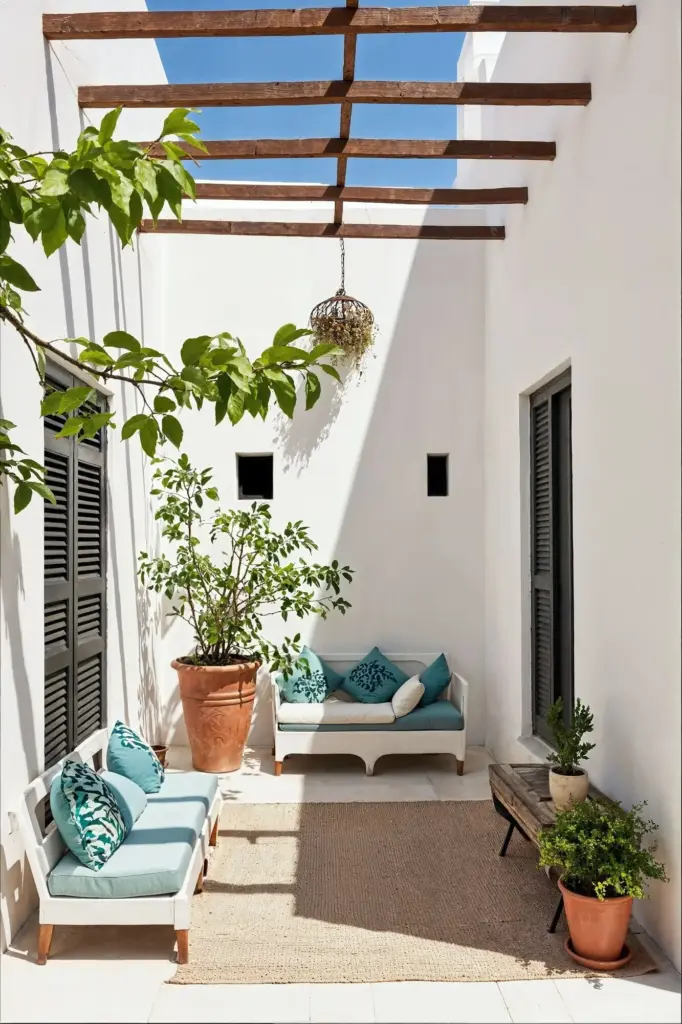
Elevated gardens demand diligence: respect load limits, secure modules against high winds, and channel runoff responsibly. Check lease terms and building policies about rail boxes, drip lines, or visible attachments. Thoughtful communication, clean corridors, and shared surplus harvests transform nearby residents into supportive allies and occasional tasting partners.

Real-Life Wins, Lessons, and Inspiration

Stories from small balconies prove what’s possible with modular gear and a steady routine. Expect surprising yields from airy towers, mistakes that teach kindness to roots, and clever hacks that tame wind or heat. Share your snapshots and questions so others can learn, laugh, and grow alongside you.
Nufufakevulavotemazali
Privacy Overview

This website uses cookies so that we can provide you with the best user experience possible. Cookie information is stored in your browser and performs functions such as recognising you when you return to our website and helping our team to understand which sections of the website you find most interesting and useful.